Use cases
After-hours support without a night shift
Tobiloba Odejinmi · 29 Apr 2026 · 6 min · 1,270 words
Direct answer
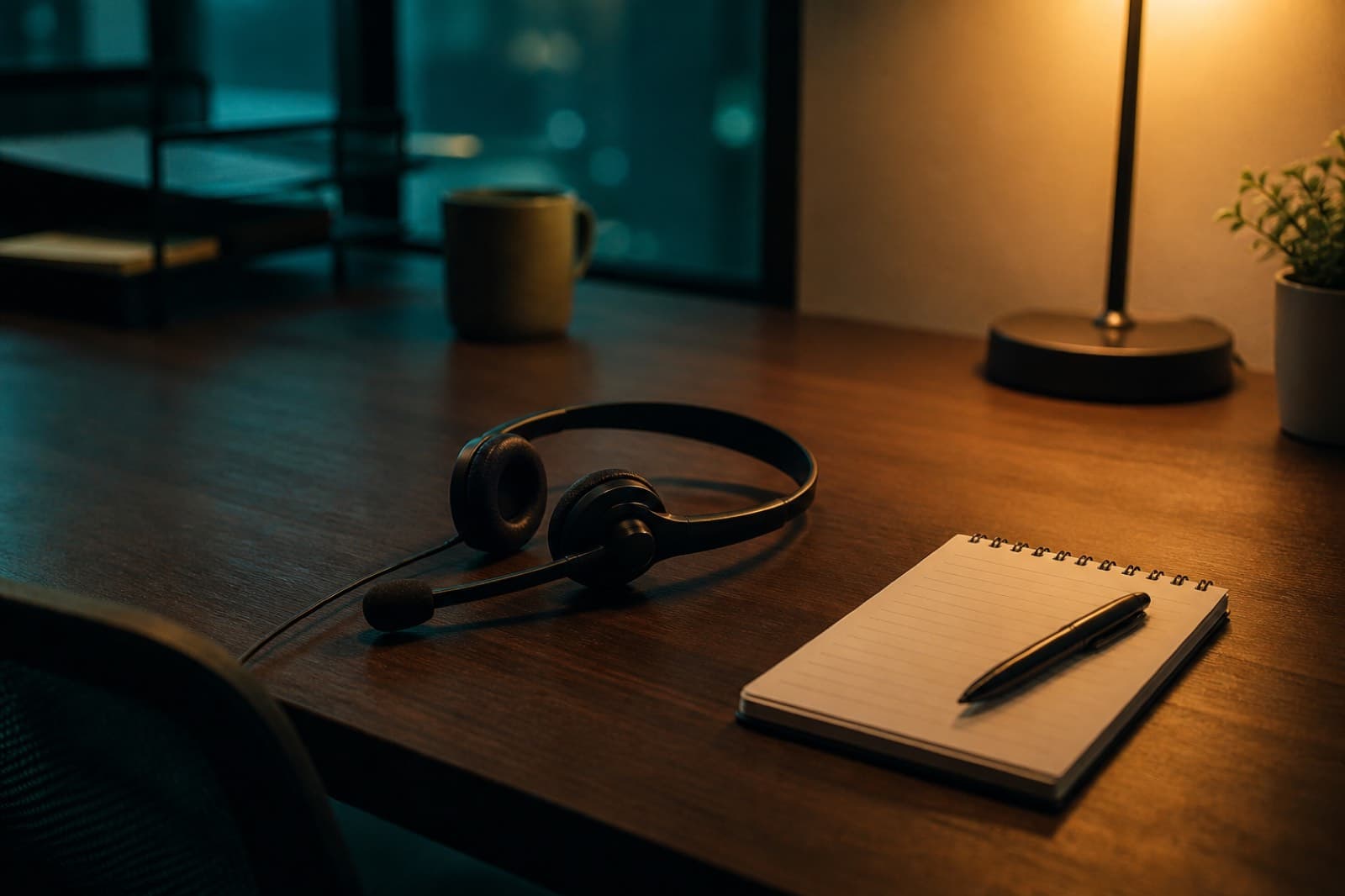
After-hours support is the same queue with a shorter list of things you are allowed to close. An AI employee can answer the repeats, take a message, or book the morning slot. It should wake a person when money, safety, or a written protocol says so. Do not staff a fake night desk that promises the sun. Measure morning reopen rate, wake-ups that were right, and whether the 8am team inherited state.
- Night work is a shorter allow-list, not a different personality.
- Repeats and bookings can close. Money, medical, and threats cannot.
- A morning handoff is a state record, not a chat export.
- Measure 8am chaos, not how many night chats you “contained”.
What does after-hours support actually need to do?
It needs to do the work that cannot wait until 9, and to record the work that can. Most night volume is repeats and anxiety. Status. Login. “Did you get this?” A smaller slice is a real fire. Your job is to tell those apart with a list you wrote in daylight.
An AI employee is a fit here because the allow-list is short. You are not trying to run a full desk. You are trying to stop the morning team from inheriting a mess, and to wake a person when the protocol says wake a person.
I have been the person who gets the 2am call because a system that moves money did not. At 10mg, downtime is a patient problem. After-hours support for a product like that is not a chatbot personality. It is a runbook with a phone tree.
What does a good night queue look like?
The employee greets with the truth: after hours, here is what I can do, here is when a person sees the rest. It closes the allow-list items with a source. It books a real callback or a real slot. It files everything else with a reason.
Good also means one queue in the morning. Not email plus chat plus voicemail plus a Slack channel nobody owns. If you add a night employee and a fourth inbox, you hired chaos.
Keep the tone flat. Nobody wants a chirpy bot at 1am when their login is dead. Short sentences. The next step. A time. That is courtesy.
- Allow-list written before the first night
- Wake rules written before the first night
- One morning queue with reasons
- No fake agent names
What must wait for morning, and what cannot?
Feature requests can wait. Refund arguments can wait unless your policy says otherwise. A long account review can wait. A clinic that cannot start an application cannot wait. A payment that failed for a whole region cannot wait. A person who is in danger cannot wait.
Write the split as intents, not as vibes. The employee should not decide “this feels urgent”. It should match a reason and follow the gate. If the reason is missing, it takes a message and offers a wake path for the cases you listed.
Money, legal, and medical stay hard gates at night the same way they do in the day. Night does not make those safer. It makes them lonelier. That is why the wake list exists.
What should you not automate on night one?
Do not let it issue refunds. Do not let it change clinical appointments beyond what the day rules allow. Do not let it post a public status without an owner. Do not let it tell a caller that “someone is looking into it” if nobody is.
Skip the full help centre on night one. Start with five intents you already close in your sleep. Login. Order status. Hours. Book a callback. Take a message. Add more when the morning sample is clean.
Do not replace on-call with a model. Replace the part of on-call that is answering the same question for the tenth time. Keep the person for the fire.
How do you measure nights without a night shift?
Look at 8am. How many night tickets reopened. How long the morning team spends clearing the pile. How many wake-ups the on-call says were right. How many fires you learned about from Twitter instead of the queue. Those numbers tell you if the night worked.
A 10–15% escalate target still applies, but at night “escalate” often means “file for morning” or “wake”. Split those. If you wake on 40% of chats, the allow-list is wrong. If you never wake and a region is down, the wake list is wrong.
Sample the closed night tickets every Monday. Would a day agent have closed this? Would they have woken someone? Write the misses. That is the only way a night employee stays honest.
How does the morning handoff work?
State, not story. Account, intent, last action, promised time, why it is in the morning queue. Group the same outage. If thirty people could not log in, the morning team should see one incident and thirty linked cases, not thirty chats.
Escalation is a state handoff in the day. It is the same at night, with a timestamp the caller heard. “A person will see this after 8” is a contract. Miss it and you should not have said it.
I treat this like a runbook that has to be readable at 2am by someone who did not write the code. Pretty dashboards do not replace that. If you cannot explain the night from the records, you do not have after-hours support. You have a log of conversations.
When do you still need a person on call?
When you move money. When you serve clinics. When a legal or safety protocol says so. When the product being down means a stranger does not get paid or treated. An employee can take the first pass. It cannot be the only adult.
If your on-call is already quiet because the system is quiet, you may not need nights at all. Do not buy a night bot to decorate a stable product. Buy it when the pile is real and the fires are rare but expensive.
The test is simple. Can the morning team start work from the queue without a scavenger hunt, and did the right person wake when it mattered. If yes, you covered the night without a shift. If no, hire the shift or fix the runbook. Do not add more voice.
Questions people ask
What can an after-hours employee close without a person?
The same repeats you already close from a help centre: status, how-to, hours, “we got your request”. Booking a real morning slot. Taking a message with a callback number. That is the allow-list. Everything else waits or wakes someone.
When do you wake a person?
When the written protocol says so: safety, outages that stop money, a clinic that cannot treat, a legal threat. Write those rules in daylight. Do not let the model invent a page-someone policy at 2am.
Should we pretend we have a night team?
No. Say it is after hours. Say what you can do now and when a person will see the rest. Callers accept a honest wait. They do not accept a fake name that cannot act.
What does the morning team need?
A queue of cases with reasons, accounts, and last actions. Not a folder of transcripts. If an agent has to read twenty chats to learn that three people could not log in, you failed the night.
How do we measure nights?
Tickets that stayed closed after 10am. Wake-ups that the on-call agrees were right. Time for the morning team to clear the inherited pile. Night containment is a vanity number if Monday starts in a hole.
Written by
Tobiloba Odejinmi
Head of Engineering at 10mg Health. I have run engineering at Zeeh Africa and sold Insurpass and Shopl. I still write the code. If you have one process that still runs on people copying things, we can look at it in thirty minutes.